
Nominations and Elections Committee Candidates
Jeremy Braddock
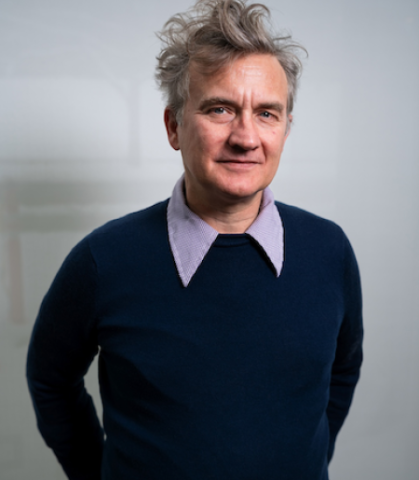
Jeremy Braddock is Professor of Literatures in English. His primary field is modernist literature and culture, particularly its production and reception in the United States. His research and teaching interests include media and sound studies, African American literature, and the history of material texts. He received a Ph.D. in English from the University of Pennsylvania, an MA from New York University, and a BA from Middlebury College. Before coming to Cornell, Jeremy taught at Haverford College and Princeton University. He has been a faculty fellow at the Stanford Humanities Center and at the Cornell Society for the Humanities.
Braddock’s scholarly writing has been interested in collaboration and artistic groups, in literature’s intermedial engagements, and in the social investments of cultural production. His first monograph, Collecting as Modernist Practice (Johns Hopkins 2012), examines a series of private art collections, literary anthologies, and archives, each of which proposed a possible model for modernism’s institutionalization in the U.S. Collecting as Modernist Practice was awarded the Modernist Studies Association Book Prize and was a Choice Outstanding Academic Title. His most recent book is a study of the late sixties media collective, the Firesign Theatre. With chapters on Firesign’s experiments with LP albums, radio, cinema, television, and artificial intelligence, the book reveals the group’s work as a late modernist, countercultural media archaeology. Firesign: The Electromagnetic History of Everything as Told on Nine Comedy Albums is published by the University of California Press.
Braddock’s academic essays have appeared in Callaloo, ELH, Modernism/modernity, New Centennial Review and a number of edited volumes; his public humanities work appears in the Los Angeles Review of Books, Sounding Out!, and The Organist podcast. He is co-editor (with Jonathan P. Eburne) of Paris, Capital of the Black Atlantic, and (with Stephen Hock) of Directed by Allen Smithee. At Cornell he has co-chaired the University Faculty Library Board and is currently chair of the Media Studies Initiative, and of CIVIC, the Provost’s task force for radical collaboration in the arts and humanities.
Jonathan T. Butcher
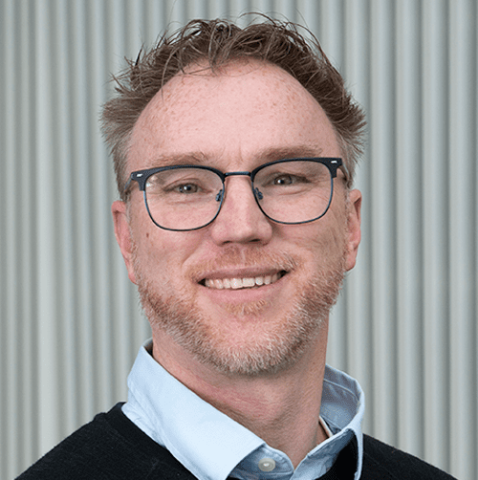
Prof. Butcher’s research initiative focuses on understanding the roles of mechanical forces in shaping cardiovascular morphogenesis and adult disease with an emphasis on heart valves. His long-term objectives are to use developmental paradigms to discover novel disease paradigms and regenerative strategies. He pursues three research thrusts:
- Cardiovascular developmental mechanobiology. We are working to understand the complex engineering that drives the formation and function of the embryonic heart and its valves. We develop novel animal models of defective cardiogenesis and valvulogenesis using microsurgical and genetic approaches, and complement them with complex in vitro morphogenic organoids. We have innovated unique experimental tools to quantify how the local biomechanical and hemodynamic environment is altered as well as downstream morphogenesis. We further implement novel microfabricated mechanobiological test beds and imaging methods using Micro-computed tomography and ultrasound. We also conduct computational simulations of hemodynamic and mechanics using anatomically precise geometries of normal and malformed hearts, implementing spatial transcriptomics to elucidate local mechanobiological control mechanisms. Our long-term goal is to apply the governing engineering principles we identify to shift mechanobiological signaling to rescue malforming cardiac anatomy and enable long-term function.
- Developmental paradigms in postnatal valve disease. Numerous postnatal diseases involve cell and tissue changes that mimic immature developmental phenotypes. Examples include myxomatous valve disease and valve sclerosis. We have discovered several proteins with unique expression patterns and functions in embryonic and adult valve mechanobiology. We have developed knockout and transgenic mice to study these proteins in this context, as well engineered tissue models and bioreactor systems capable of exposing these tissues to defined multimodal mechanical stimulation regimens. Long term goals will be to translate these findings into unique ligands and/or peptides with specificity to heart valve cells and efficacy to manage clinically relevant stages of heart valve disease.
- Heart valve tissue engineering. We focus on engineering living complex tissue characteristics (shape, heterogeneity, anisotropy) via innovating 3D tissue printing technology. We have created living valved conduits incorporating native cellular interactions and defined matrix environments through patented and patent pending technologies. As our understanding of embryonic valvular maturation develops, we translate this “natural engineering” blueprint to improve the mechanobiological maturation of engineered heart valves for age and tissue specific applications. We then translate these designs through bioreactor conditioning and preclinical animal model testing. We further engineer and implement biomaterial modifications to stably endothelialize mechanical valve prostheses and encourage mature valvular cell phenotype development from stem/progenitor sources.
Candidate Statement:
Cornell’s shared governance system plays a critical role in preserving the university’s institutional legacy while ensuring that faculty voices meaningfully shape its future. I am honored to be considered for the Faculty Senate’s Nominations and Elections Committee and would welcome the opportunity to help ensure that Cornell’s governance structures remain effective, representative, and transparent.
My experience at Cornell has involved sustained engagement with institutional leadership and governance across multiple contexts. I served as the founding Director of Undergraduate Studies for the Biomedical Engineering major, leading the design and implementation of the curriculum and coordinating faculty participation across the university as the program grew from concept to a thriving major with ~60 students per cohort . This work required careful coordination among faculty, departments, and administrative offices, and it reinforced the importance of clear processes and inclusive participation in institutional decision-making.
More broadly, my research, teaching, and programmatic activities regularly involve collaboration across colleges and disciplines, including engineering, medicine, and the life sciences. These cross-campus collaborations have given me a strong appreciation for how Cornell’s decentralized structure benefits from thoughtful representation and deliberate engagement in faculty governance.
I have also been actively involved in university governance through the University Assembly, where I currently serve as Chair of the Campus Codes Committee. In this role I have worked closely with faculty, staff, and student representatives to ensure that university policies and procedures are applied consistently and transparently. This experience has reinforced my commitment to processes that are fair, well-communicated, and responsive to the needs of the Cornell community.
Finally, many of the roles I have held at Cornell have required substantial administrative coordination and follow-through. I have demonstrated a longstanding commitment to carrying out these responsibilities diligently and in a timely manner—an essential component of committees such as Nominations and Elections, where accurate communication and reliable administration are critical to maintaining trust in shared governance.
If elected, I will work to support a nominations process that encourages broad faculty participation and identifies colleagues who bring diverse perspectives and strong commitment to Cornell’s governance institutions. I would be honored to contribute to the continued strength and integrity of the Faculty Senate and the university it serves.
Audun Dahl
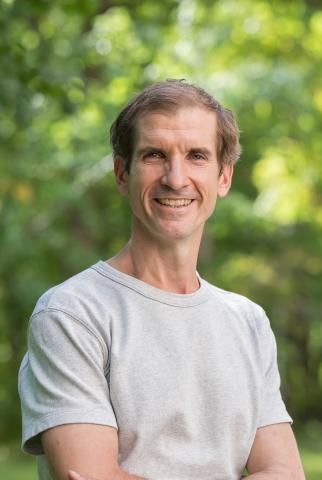
Audun Dahl is an Associate Professor in the Department of Psychology. He studies the development of morality from infancy to adulthood, examining how children, adolescents, and adults form views about right and wrong ways of treating others. Dahl did his undergraduate work in his native Norway and received his Ph.D. from the University of California, Berkeley. Before joining Cornell in 2023, he spent nine years at the University of California, Santa Cruz, where he served as a member of the Academic Senate Committee on Rules, Jurisdictions, and Elections, as Developmental Psychology Area Head, and as Vice Chair of the Psychology Department.
Candidate Statement:
I am honored to be considered for a seat on the Nominations and Elections Committee, and I would welcome the opportunity to serve. The committee’s work—identifying candidates for committees and supervising elections—is fundamental to a thriving Academic Senate. I believe my prior experience from campus committees and department leadership would add value to the committee. With the other members, I would work to promote broad representation on the Senate’s committees of Cornell’s many communities.
Laurent Dubreuil
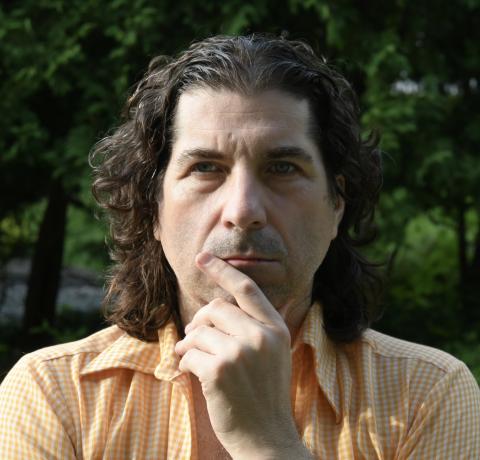
A Distinguished Professor of Arts & Sciences at Cornell University, Laurent Dubreuil is a faculty in Romance Studies, Comparative Literature, and Cognitive Science. He is the Director of the Humanities Lab, an interdisciplinary structure he founded in 2019-20, the Director of the French Studies Program, and the Director of Graduate Studies in Romance Studies. He has been a Faculty Senator representing Romance Studies for more than 2 terms and is currently serving for Comparative Literature in the Senate. Dubreuil also holds the IWLC International Chair of Transcultural Theory at Tsinghua University.
Dubreuil is the author of more than fifteen scholarly books, and has served as editor for the journals diacritics and for Labyrinthe. He recently launched mechanema, the first book series to be fully devoted to the humanities and AI (Cornell University Press). Among his publications are The Intellective Space: Thinking Beyond Cognition (Minnesota: 2015), Poetry and Mind: Tractatus Poetico-Philosophicus (Fordham: 2018), Dialogues on the Human Ape, co-authored with Sue Savage-Rumbaugh (Minnesota: 2019), and Humanities in the Time of AI (Minnesota: 2025).
Candidate Statement:
While apparently technical in nature, the Nominations and Elections Committee potentially serves a key function in the representation of varied opinions within the system of shared governance that we, as faculty, should have an interest in protecting. Now probably even more than before, it is apparent that both internal and external pressures tend to muzzle the voice of the faculty. In such a context, voting should provide an opportunity to make real choices, based on ideas rather than on levels of obedience. In joining the Elections Committee, I'd like to contribute to a more pluralistic view of the expression of the faculty. We all know that we tend to attribute less thought to the inner and possibly democratic workings of our own structures of command because of the toll academic life takes on us. In other words, it is never easy to find candidates, but my hope is that, in a moment such as this, we'll seize the opportunity to take a stance.
Learn More:
https://blogs.cornell.edu/humanitieslab/
Athena Kirk
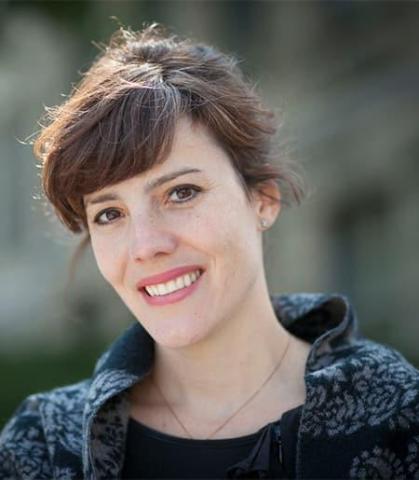
My work focuses broadly on Ancient Greek literature. I am interested on the intersections between literature and documentary texts, and the material qualities of ancient texts, as well as public interaction with them. I am also interested in questions of materiality in the nonhuman world, and the operations of ancient animals and objects.
Candidate Statement:
I would be honored to serve on the Nominations and Elections committee. In this position I would strive to encourage participation of faculty from across the University in faculty and senate positions; I would look forward to strengthening elected offices by forging new connections with colleagues, as well as by engaging my current networks on campus.
Rachel Sandwell
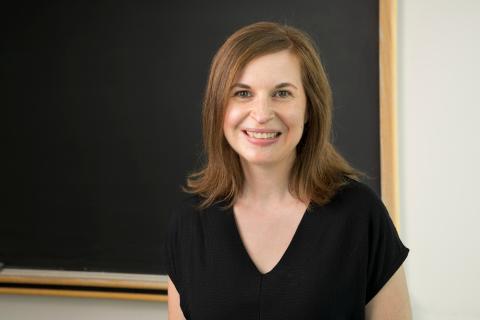
I am an Assistant Professor in the Department of History, in the College of Arts and Sciences. I arrived at Cornell in Fall 2023. I completed my PhD in History at McGill University in Montreal, Canada, and then held a Post-Doctoral Fellowship at the Wits Institute for Social and Economic Research, University of the Witwatersrand, South Africa. I have also worked in the field of feminist international development.
I work on the intellectual and social history of African decolonization, with a particular interest in women and gender politics. My main area of geographic focus has been South Africa, but my work to date has been quite focused on South Africans who found themselves outside of South Africa, and I continue to be drawn to ideas and people who circulate across borders. My first book, National Liberation and the Political Life of Exile (Ohio, New African Histories Series, 2025), examines women’s participation in South African struggles for democracy. My ongoing research focuses on the intellectual and social history of international development.
Candidate Statement:
I have appreciated being a member of the Cornell Faculty Senate since shortly after my arrival in Fall 2023. I have enjoyed learning more about the wide range of work being done across Cornell, and gaining understanding of how the university operates. I believe faculty governance is very important. I agreed to stand for election for the Nominations and Elections Committee because I would enjoy having the opportunity to encourage faculty members from all parts of the university to participate in the faculty governance.
Elliot Shapiro
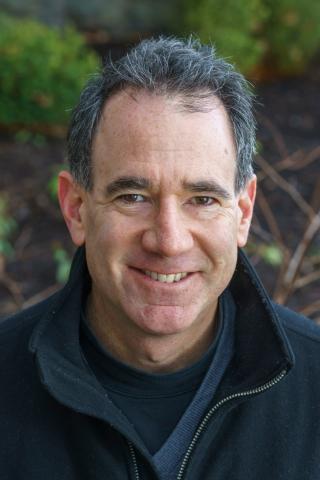
I came to Cornell and the Knight Institute for Writing in the Disciplines in 1997. As a senior lecturer in the Knight Institute I direct the Writing in the Majors program and the Faculty Seminar in Writing Instruction. From 2011 to 2017, I was Director of Instruction and co-founder of the University Courses Initiative. I regularly teach First-Year Writing Seminars and upper level undergraduate classes in Jewish Studies/Film studies. I also teach the training class for Teaching Assistants who work with in the Writing in the Majors program.
During my time at Cornell, I have had opportunities to do extensive service within the College of Arts and Sciences and at the university level. I am completing a three-year term as an RTE Faculty Senator at-large in Arts and Sciences. Other examples of service within Arts and Sciences include the Faculty Admissions Committee (2000-2006); the Academic Integrity Hearing Board (2005-2008); the Committee on Teaching (2016-2018). I served as Department Liaison to A&S Curriculum Committee (2016-17). Examples of university service include the Cornell Cinema Faculty Advisory Board (multiple terms); the Committee on Academic Policies and Programs (2009-2011); the Leadership group convened by the Vice Provost for Undergraduate Education (2011-2015); the Provost’s Working Group on Innovation and Assessment (2025-26); and the Advisory Panel for the Future of the American University Undergraduate Education Subcommittee (Spring 2026). Since 2024, I have served four times as a facilitator for the semester-long Writing Accountability groups convened by the office of the Vice Provost for Faculty Development and Diversity.
When I have had the opportunity to engage in service for my program, college, or university, my first responsibility it to do what is best for the institution. For me, this includes representing the concerns of RTE faculty. RTE faculty are not always at the table when decisions are made, even decisions which may affect us in significant ways. Whoever else I represent, I always try to represent the voices of RTE faculty.
Candidate Statement:
I have had unusual opportunities to work with faculty from across Cornell. These opportunities have emerged through my work with Writing in the Majors, the University Courses Initiative, the Faculty Seminar in Writing Instruction, and the Jewish Studies program, as well as through extensive college and university service. As a member of the Nominations and Elections committee, I hope to help ensure that University committees cast a wide net when seeking out candidates. The institution is stronger when voices are heard from across the institution.
As noted in my candidate statement, I always seek to represent the concerns of RTE faculty. Should I be elected to this committee, I will not, by any means, only consider RTE faculty for appropriate positions, but I will strive to ensure that RTE faculty are well represented in any area where we are eligible to serve.
Learn More: